Rigid Insulation Installation in Longmont, CO
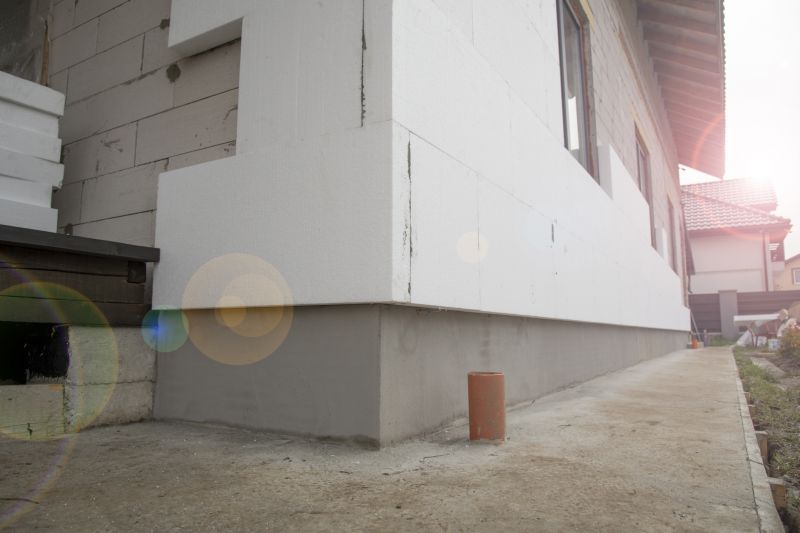
Rigid insulation installation is a process that involves adding high-density foam or board materials to improve a building’s thermal resistance. This type of insulation is commonly used in various projects, including basement walls, exterior walls, roofs, and foundation areas. Property owners often seek this service to enhance energy efficiency, reduce heating and cooling costs, and improve overall comfort within their homes. Before requesting installation, it’s helpful to understand the different types of rigid insulation available, such as polystyrene, polyisocyanurate, and polyurethane, and to consider the specific needs of the building’s structure and climate.
Homeowners typically inquire about the best placement for rigid insulation to maximize its benefits, as well as how it integrates with other building components like vapor barriers or framing. They may also want to know about the compatibility of rigid insulation with existing walls or roofing systems and any preparation required before installation. Understanding the scope of the project, including the areas to be insulated and the expected outcomes, can help property owners make informed decisions and ensure the installation process aligns with their goals for energy savings and comfort.
Many property owners in Longmont, CO look into Rigid Insulation Installation for repairs, replacements, upgrades, and appearance-related improvements.
Benefits Of Rigid Insulation
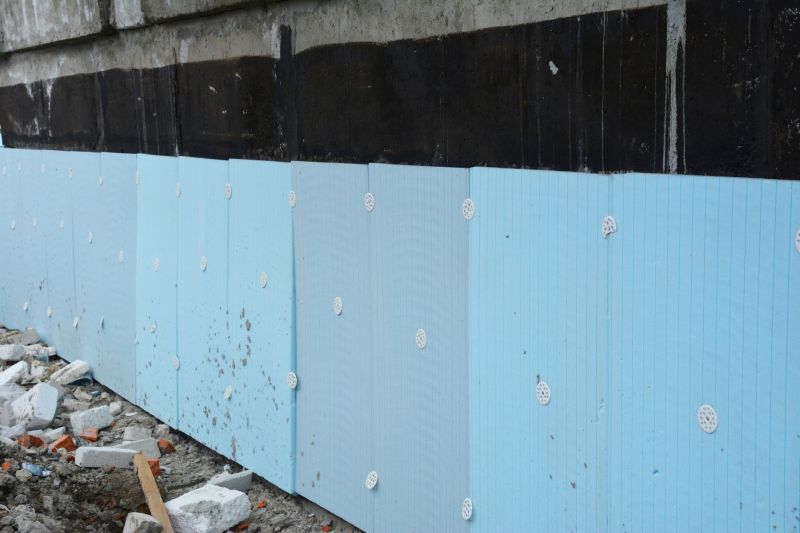
Rigid insulation helps improve energy efficiency and reduces heating and cooling costs.
Common Installation Areas
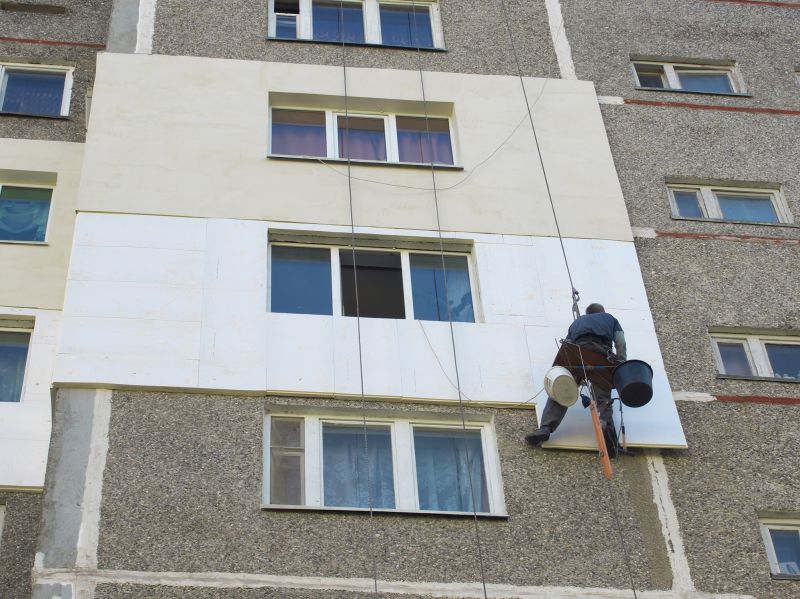
It is often installed in walls, roofs, basements, and foundations to enhance building performance.
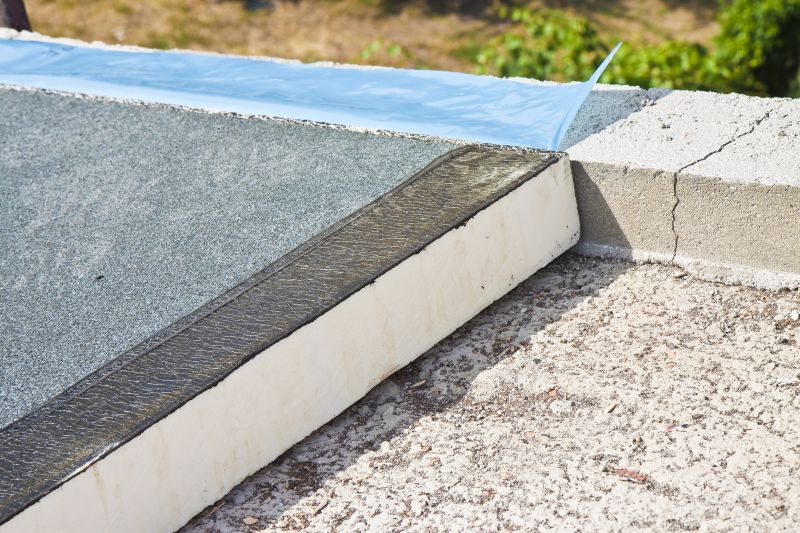
Types Of Rigid Insulation
Various materials like polyisocyanurate, polystyrene, and polyurethane are used to meet different project needs in longmont, co.
Rigid Insulation Installation in Longmont, CO

Rigid insulation installation is a process that involves adding high-density foam or board materials to improve a building’s thermal resistance. This type of insulation is commonly used in various projects, including basement walls, exterior walls, roofs, and foundation areas. Property owners often seek this service to enhance energy efficiency, reduce heating and cooling costs, and improve overall comfort within their homes. Before requesting installation, it’s helpful to understand the different types of rigid insulation available, such as polystyrene, polyisocyanurate, and polyurethane, and to consider the specific needs of the building’s structure and climate.
Homeowners typically inquire about the best placement for rigid insulation to maximize its benefits, as well as how it integrates with other building components like vapor barriers or framing. They may also want to know about the compatibility of rigid insulation with existing walls or roofing systems and any preparation required before installation. Understanding the scope of the project, including the areas to be insulated and the expected outcomes, can help property owners make informed decisions and ensure the installation process aligns with their goals for energy savings and comfort.
Many property owners in Longmont, CO look into Rigid Insulation Installation for repairs, replacements, upgrades, and appearance-related improvements.
Common Rigid Insulation Installation Jobs
Basement insulation - helps improve comfort and energy efficiency in finished or unfinished basements.
Attic insulation - reduces heat transfer and maintains consistent indoor temperatures.
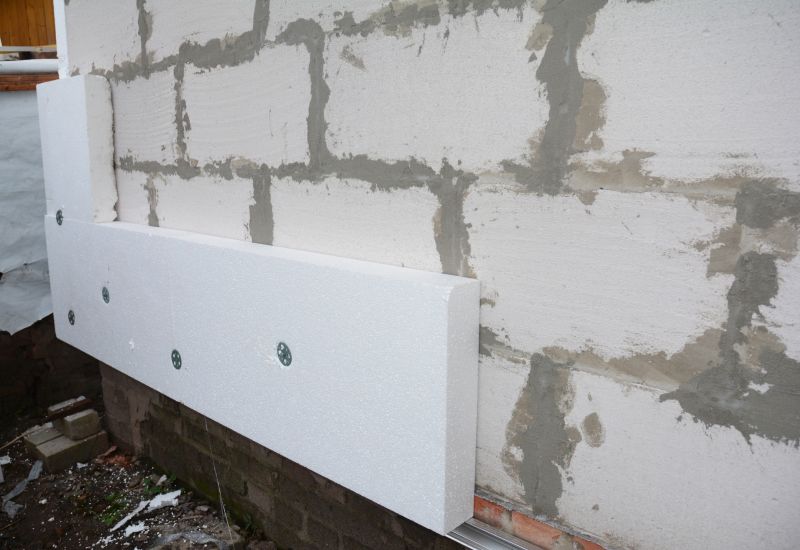
Exterior wall insulation - enhances thermal performance and weather resistance of the building envelope.
Commercial building insulation - provides thermal control for retail, office, and industrial spaces.
Retrofit insulation projects - upgrade existing insulation to meet current energy standards.
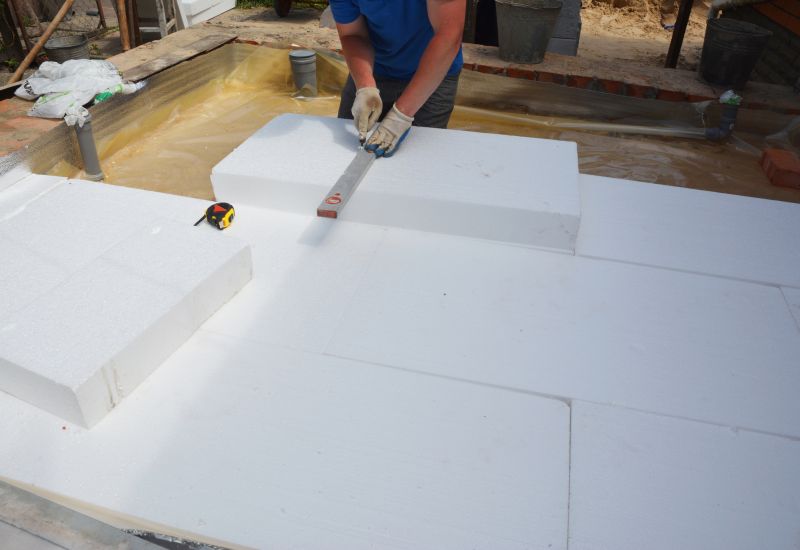
Foundation insulation - prevents heat loss through basement or crawl space walls.

Rigid Insulation Installation Questions
What is rigid insulation used for? Rigid insulation helps improve thermal efficiency in walls, roofs, and foundations by reducing heat transfer and enhancing energy savings.
Which projects benefit from rigid insulation installation? It is commonly used in basement walls, exterior sheathing, and attic spaces to provide continuous insulation and prevent thermal bridging.
How does rigid insulation improve property comfort? It maintains consistent indoor temperatures by minimizing heat loss or gain, leading to a more comfortable living or working environment.
What types of rigid insulation are available? Common options include polystyrene (EPS or XPS), polyisocyanurate, and polyurethane boards, each suited for different application needs.
Request Rigid Insulation Installation in Longmont, CO
Use the quote form on this page to share the basics of your project and request more information for the type of work you need.