Get Reflective Insulation Service
Reflective insulation services help property owners improve energy efficiency and comfort by reducing heat transfer in projects like attics, walls, and basements with the help of local contractors.
Reflective insulation services can play a valuable role in enhancing a property's energy efficiency and comfort. Property owners in the area may consider this type of insulation to help regulate indoor temperatures, reduce energy consumption, and improve overall building performance. Whether planning a new construction project or upgrading an existing space, exploring local contractors who specialize in reflective insulation can provide insights into effective solutions tailored to specific needs.
By comparing different local service providers, property owners can identify experienced contractors capable of delivering quality work. Understanding the options available in the area allows for informed decision-making and helps ensure that insulation projects meet individual property requirements. Continuing to read can help uncover the benefits of reflective insulation and connect with qualified professionals ready to assist with upcoming projects.
- Attic insulation projects - when homeowners want to improve energy efficiency and reduce heating or cooling costs.
- Commercial building insulation - for businesses seeking to enhance indoor comfort and comply with building standards.
- Roof insulation services - when roof spaces need reflective insulation to prevent heat transfer and protect interior spaces.
- Garage or basement insulation - for property owners aiming to regulate temperatures and prevent moisture issues.
- Industrial insulation applications - in factories or warehouses requiring reflective insulation to control temperature and improve operational efficiency.
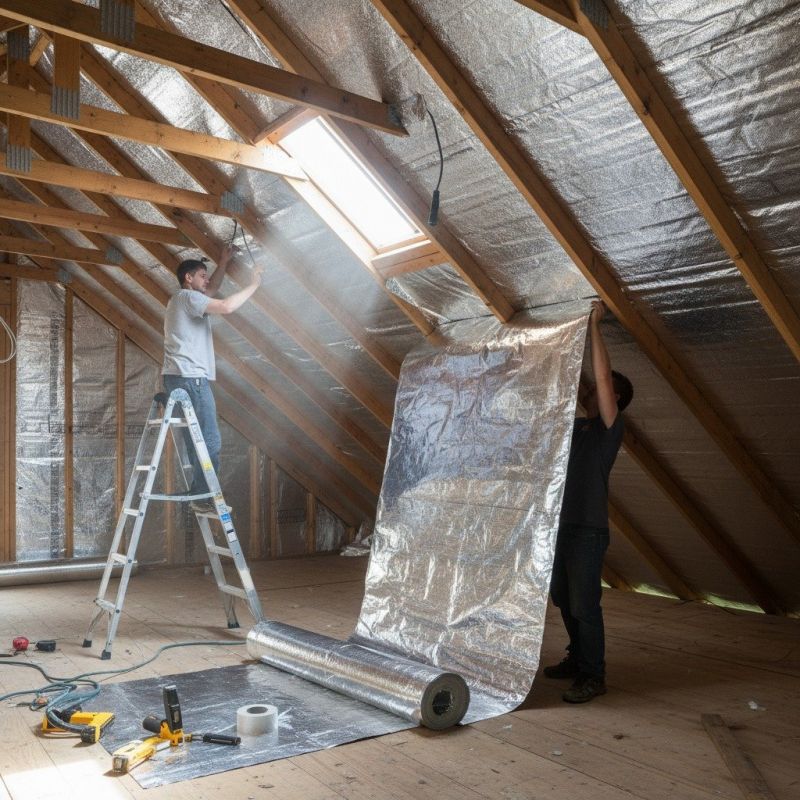
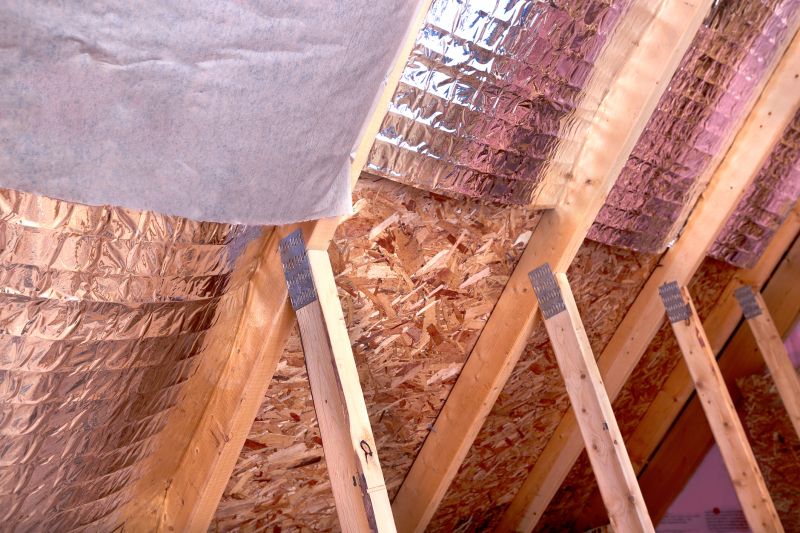
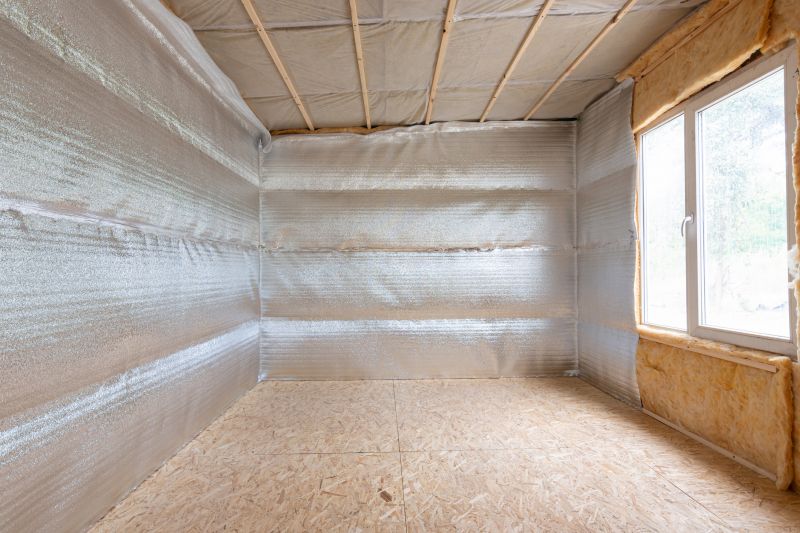
Reflective insulation services involve installing specialized insulation materials designed to reflect radiant heat away from or back into a building. This type of insulation typically consists of reflective surfaces, such as aluminum foil, combined with insulating materials that help reduce heat transfer. The process usually includes assessing the property’s current insulation setup, selecting appropriate reflective materials, and installing them in areas like attics, walls, or ceilings to improve thermal performance. By enhancing the existing insulation system, reflective insulation services aim to create a more consistent indoor temperature and reduce energy use.
One of the primary issues reflective insulation addresses is temperature fluctuation caused by radiant heat transfer. Homes that experience excessive heat gain during warmer months or heat loss during colder seasons can benefit from this service. It helps mitigate hot spots in summer and cold drafts in winter, making indoor environments more comfortable. Additionally, reflective insulation can contribute to lower heating and cooling costs by reducing the workload on HVAC systems. This service is especially useful in properties where traditional insulation alone isn't enough to maintain desired indoor temperatures or where occupants notice uneven heating or cooling.
Reflective insulation services are commonly utilized in a variety of property types, including residential homes, commercial buildings, and even some industrial facilities. Single-family houses, especially those with attics or vaulted ceilings, often benefit from reflective insulation to improve energy efficiency. Multi-family complexes, office buildings, and retail spaces may also incorporate this insulation to enhance occupant comfort and reduce utility expenses. Properties with existing insulation that has become less effective over time, or those located in areas with wide temperature swings, are typical candidates for reflective insulation upgrades.
Homeowners who notice unusually high energy bills, uneven indoor temperatures, or discomfort during extreme weather conditions may find reflective insulation services to be a practical solution. It is also a suitable choice for properties undergoing renovations or upgrades, where improving insulation performance is part of the overall improvement plan. By connecting with local contractors who specialize in reflective insulation, property owners can explore options tailored to their specific needs. These professionals can evaluate the property, recommend suitable materials, and handle the installation to help achieve better temperature regulation and energy savings.
The overview below groups typical Reflective Insulation Service projects into broad ranges so you can see how smaller, mid-sized, and larger jobs often compare in your area.
In many markets, a large share of routine jobs stays in the lower and middle ranges, while only a smaller percentage of projects moves into the highest bands when the work is more complex or site conditions are harder than average.
Smaller Repairs - Typical costs for minor reflective insulation repairs or additions range from $250 to $600. Many routine jobs fall within this middle range, with fewer projects reaching the higher end of the spectrum.
Partial Insulation Replacement - Replacing sections of existing reflective insulation usually costs between $600 and $1,500. Larger or more complex partial replacements can approach $2,500, but most projects stay within the mid-range.
Full Insulation Replacement - Complete removal and replacement of reflective insulation generally costs from $2,000 to $5,000. Larger homes or extensive projects can exceed this range, though many fall into the $3,000-$4,500 band.
Large-Scale or Commercial Projects - Major commercial or industrial reflective insulation installations can cost $5,000 or more. Such projects are less common and typically represent the higher end of the cost spectrum, depending on size and complexity.
Actual totals will depend on details like access to the work area, the scope of the project, and the materials selected, so use these as general starting points rather than exact figures.
Attic Insulation Installation - professionals skilled in installing reflective insulation can often handle attic insulation projects that improve energy efficiency and temperature control.
Commercial Insulation Projects - local contractors experienced in reflective insulation services can assist with insulating warehouses, offices, and retail spaces.
Roof Insulation Upgrades - service providers capable of installing reflective barriers on roofs to enhance thermal performance in residential and commercial buildings.
Wall Insulation Services - experts who can apply reflective insulation techniques to wall cavities for improved indoor comfort and energy savings.
Vapor Barrier Installation - local pros familiar with reflective materials can also install vapor barriers to prevent moisture issues in various structures.
Building Envelope Enhancements - contractors adept in planning and installing reflective insulation as part of comprehensive building envelope improvements.
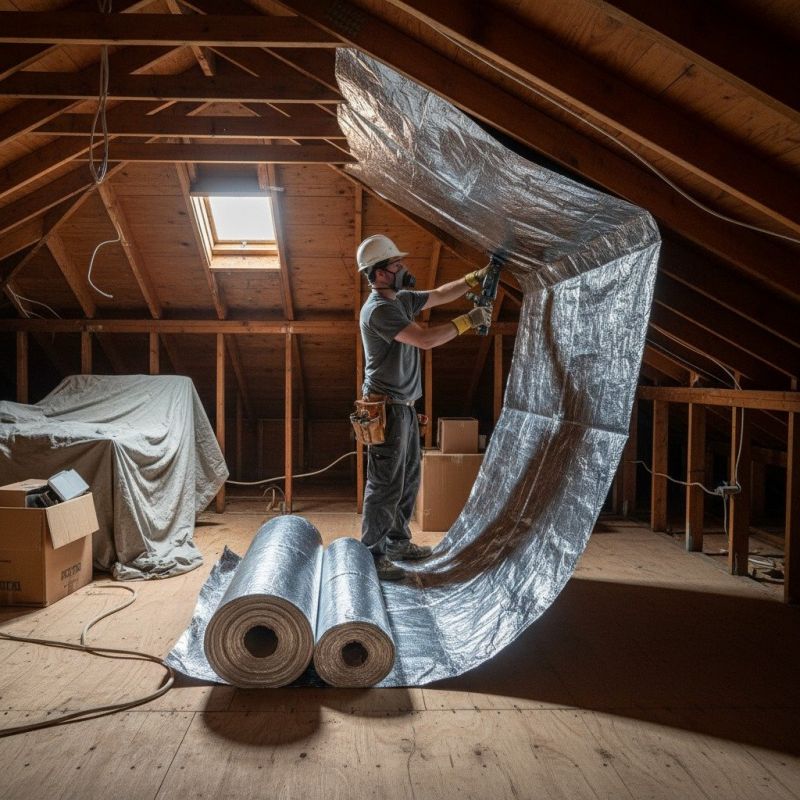
When evaluating service providers for reflective insulation, it’s important to consider their experience with similar projects. Homeowners should look for local contractors who have a proven track record of handling insulation installations comparable in scope and complexity. An experienced professional will understand the nuances of reflective insulation systems, ensuring that the work is performed correctly and efficiently. Checking how long a contractor has been working in the area and their familiarity with local building codes can provide additional confidence in their ability to deliver quality results.
Clear, written expectations are essential when comparing local contractors. Homeowners should seek detailed proposals that outline the scope of work, materials to be used, and any specific steps involved in the installation process. Having a comprehensive understanding of what to expect helps prevent misunderstandings and ensures that both parties are aligned on project goals. Reputable service providers will be transparent about their process and provide documentation that clearly communicates what will be done, creating a solid foundation for the project.
Reputable references and effective communication are key factors in selecting a reliable contractor. Homeowners are encouraged to ask for references from previous clients who had similar reflective insulation projects completed. Contacting these references can provide insights into the contractor’s professionalism, workmanship, and ability to meet expectations. Additionally, good communication throughout the process-such as prompt responses to questions and clarity about procedures-helps foster a smooth working relationship. It’s important to choose local service providers who prioritize transparency and responsiveness, ensuring the project progresses as planned.
Property owners use Reflective Insulation Service services for practical projects around their homes and businesses. This guide focuses on everyday jobs and straightforward project options.
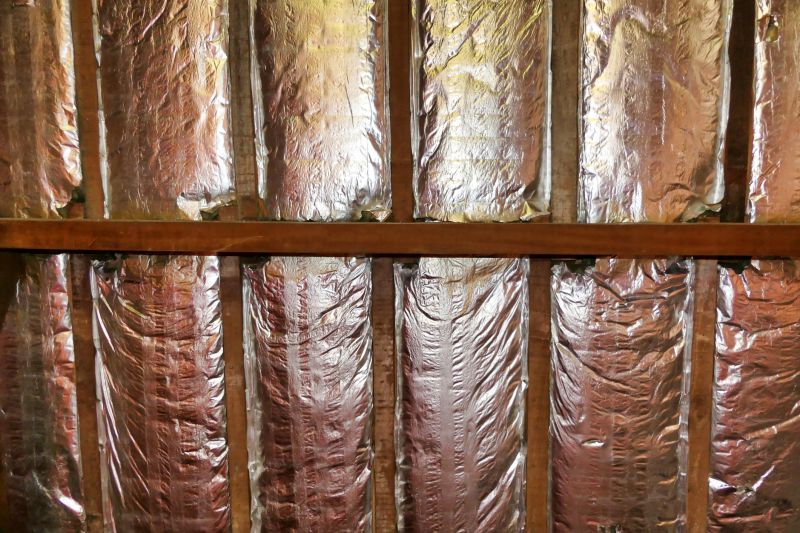
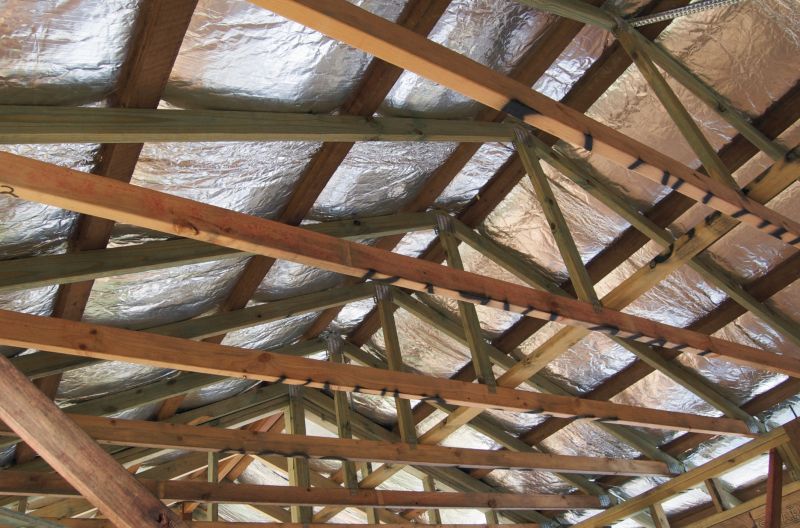
Reflective insulation services are often sought after by property owners looking to improve energy efficiency in their homes or commercial buildings. Common situations include wanting to reduce heating and cooling costs, especially during extreme temperature months, or addressing drafts and uneven indoor temperatures. Local contractors can assist with installing reflective insulation in attics, walls, or crawl spaces, helping to create a more comfortable indoor environment and potentially lowering utility bills.
Homeowners and business owners may also consider reflective insulation when undertaking renovations or upgrades to existing structures. It can be a practical solution for enhancing insulation performance without significantly altering the building’s appearance. Local service providers are equipped to evaluate specific project needs and recommend appropriate reflective insulation options to support energy savings and overall comfort.
What is reflective insulation? Reflective insulation is a material designed to reduce heat transfer by reflecting radiant heat away from living spaces, improving energy efficiency.
How does reflective insulation work? It works by reflecting radiant heat rather than absorbing it, helping to keep indoor areas cooler in the summer and warmer in the winter.
What types of reflective insulation are available? There are various forms, including foil-faced bubble packs, reflective foils, and radiant barriers, which can be installed in attics, walls, or ceilings.
Can reflective insulation be added to existing structures? Yes, local contractors can install reflective insulation in existing buildings to enhance thermal performance.
What are the benefits of reflective insulation? Reflective insulation can help improve indoor comfort and reduce energy costs by effectively managing heat transfer.
Improve Indoor Comfort - Reflective insulation can help maintain a consistent temperature inside a home, making living spaces more comfortable year-round.
Reduce Energy Loss - Property owners can use this service to minimize heat transfer through walls and ceilings, potentially lowering heating and cooling needs.
Enhance Home Efficiency - Local contractors can assist with installing reflective insulation to help optimize energy use during home improvement projects.
Prepare for Seasonal Changes - Reflective insulation services can support efforts to make a property more resilient against temperature fluctuations.
If you are thinking about Reflective Insulation Service for a property, this guide is meant to help you understand the work, the typical project types, and how different options might fit your plans.
When you are ready, you can use the quote form on this page to share a few details about your project. From there, local pros can review the basics and respond with options that match what you have in mind.